Revolutionizing Urban Sanitation with Advanced 3D Printing Technologies in Street Cleaning Equipment
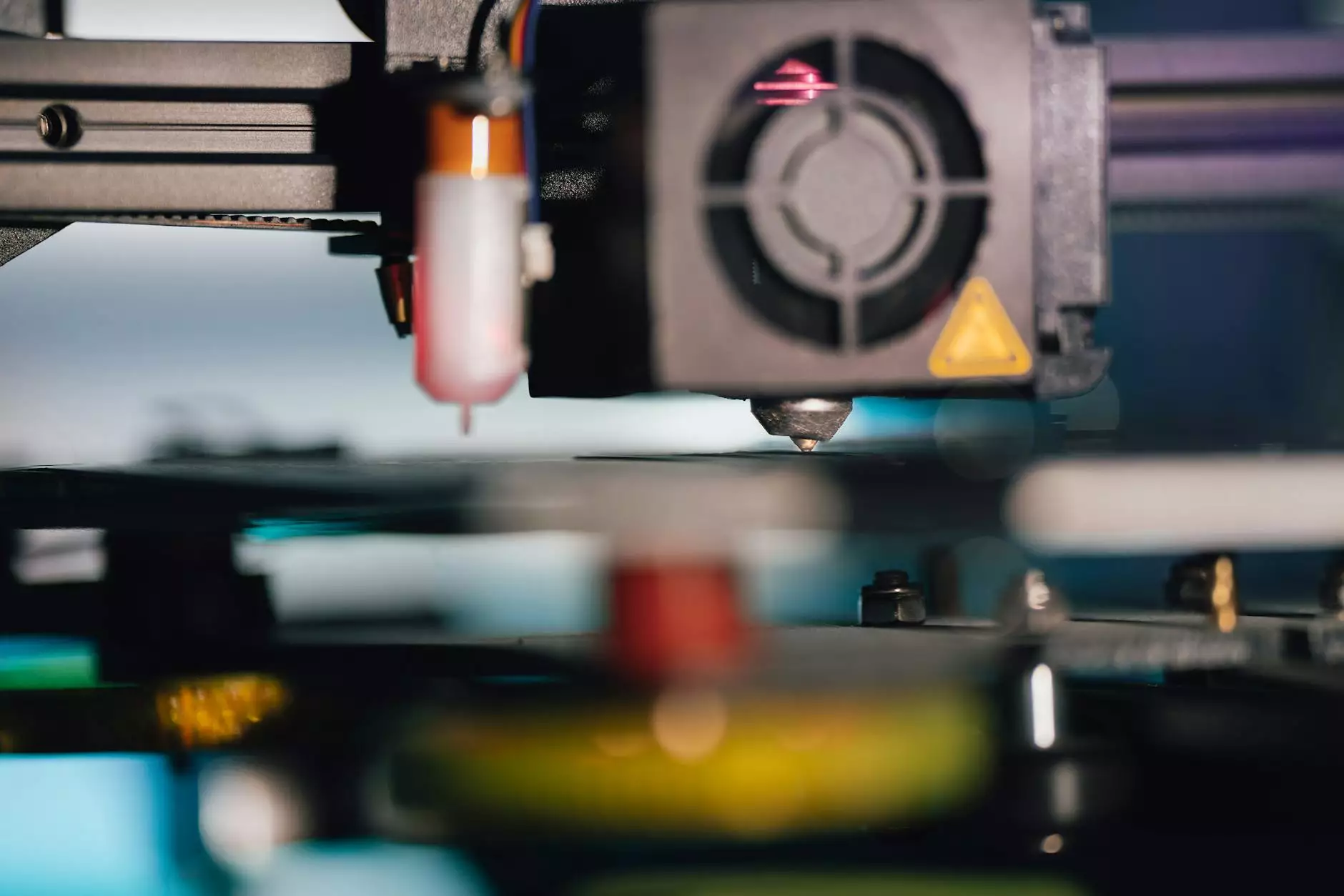
In today’s rapidly urbanizing world, maintaining clean and healthy streets is more critical than ever. The deployment of street cleaning equipment has become an essential component of urban management, environmental sustainability, and public health. As industries evolve, innovative manufacturing techniques such as 3D printing have emerged as game-changers, enabling manufacturers like ceksansweepers.com to develop highly efficient, customizable, and sustainable street cleaning solutions. This comprehensive article delves into how 3D printing is transforming the design, manufacturing, and deployment of street cleaning equipment, positioning businesses at the forefront of technological advancement and environmental responsibility.
Understanding the Significance of Street Cleaning Equipment in Modern Urban Environments
Effective street cleaning is paramount for maintaining the aesthetic appeal, safety, and health of urban areas. Modern street cleaning equipment encompasses a wide array of machines, including sweepers, vacuum trucks, and specialized cleaning attachments, designed to remove debris, dust, and pollutants from city streets, sidewalks, and public spaces. These machines are vital for:
- Reducing Pollution: Capture of dust, particulate matter, and litter that could otherwise compromise air quality and public health.
- Enhancing Urban Aesthetics: Creating visually appealing streetscapes that attract residents and tourists.
- Supporting Public Health: Minimizing health hazards associated with accumulated debris and allergens.
- Boosting Economic Growth: Clean environments promote tourism, commerce, and real estate development.
Given the importance of these functions, it is imperative that manufacturing processes keep pace with technological innovations to produce more effective, durable, and environmentally friendly equipment.
The Rise of 3D Printing in Manufacturing Street Cleaning Equipment
3D printing, also known as additive manufacturing, is reshaping how industries approach product development, prototyping, and production. This technique builds objects layer by layer from digital files, allowing unprecedented flexibility and innovation. In the context of street cleaning equipment, 3D printing offers numerous advantages:
Rapid Prototyping and Design Optimization
Traditional manufacturing often involves lengthy trial-and-error cycles and costly tooling. With 3D printing, engineers at ceksansweepers.com can quickly produce prototypes for new components, test their functionality, and iterate designs efficiently. This accelerates innovation cycles, resulting in smarter, more efficient equipment tailored to specific urban needs.
Customization and On-Demand Production
Urban environments are diverse, with varying street layouts and debris types. 3D printing allows for customized components that meet unique municipal requirements. For example, specialized brushes, nozzles, or attachment points can be designed and produced on-demand, reducing lead times and inventory costs.
Cost Reduction and Material Efficiency
Traditional manufacturing processes often involve excess material waste and high setup costs. In contrast, 3D printing uses only the material necessary to create components, thus reducing waste and lowering overall expenses. This ecological benefit aligns with sustainable business practices.
Enhanced Durability and Lightweight Structures
Advanced 3D printing materials enable the production of lightweight yet durable components, improving the maneuverability and operational efficiency of street cleaning machines. Lightweight parts also contribute to fuel savings and reduced carbon emissions.
How 3D Printing Empowers Manufacturers Like Ceksan Sweepers
Leading companies such as ceksansweepers.com leverage 3D printing to pioneer advancements in street cleaning equipment. Their focus on innovation involves:
- Rapid Development of New Technologies: Introducing state-of-the-art brushes, filters, and spraying mechanisms through efficient 3D prototyping.
- Customization for Different Market Segments: Designing equipment tailored for urban, suburban, industrial, and municipal applications.
- Reducing Production Lead Times: Accelerating delivery schedules with in-house 3D printing capabilities.
- Sustainable Manufacturing: Using eco-friendly materials compatible with 3D printing to minimize environmental impact.
By integrating 3D printing into their manufacturing process, ceksansweepers.com ensures their street cleaning equipment remains at the forefront of technological excellence, safety standards, and environmental sustainability.
Innovative Materials Used in 3D Printing for Street Cleaning Equipment
The choice of materials is critical for the performance and longevity of 3D printed parts used in street cleaning equipment. Modern 3D printing employs advanced materials such as:
- ABS (Acrylonitrile Butadiene Styrene): Known for toughness, impact resistance, and ease of printing.
- PETG (Polyethylene Terephthalate Glycol): Offers excellent chemical resistance and mechanical strength.
- Nylon: Provides high durability, flexibility, and wear resistance, ideal for moving parts.
- Polycarbonate: Suitable for high-performance, high-temperature applications.
- Composite Materials: Reinforced with carbon fiber or glass to augment strength and reduce weight.
In addition to mechanical properties, the development of biodegradable and recyclable materials aligns with growing environmental concerns, ensuring the sustainability of street cleaning equipment.
Environmental Benefits of Incorporating 3D Printing in Street Cleaning Equipment Manufacturing
Adopting 3D printing in manufacturing processes offers meaningful environmental advantages, including:
- Reduced Material Waste: Precise layer-by-layer building minimizes excess material use.
- Lower Carbon Footprint: Shorter supply chains and on-demand production decrease transportation emissions.
- Sustainable Materials: Use of biodegradable plastics and recyclable composites supports eco-friendly initiatives.
- Extended Equipment Lifespan: Rapid prototyping allows for the quick replacement of worn or damaged parts, reducing the need for complete equipment overhaul.
Such eco-friendly practices not only benefit the planet but also appeal to environmentally conscious municipal governments and private sector clients seeking sustainable street cleaning equipment.
Future Trends and Innovations in 3D Printing and Street Cleaning Equipment
The intersection of 3D printing and street cleaning equipment is poised for further innovation, driven by advances in:
- Multi-Material Printing: Combining different materials within a single component for optimized performance.
- Bioprinting and Eco-Materials: Creating biodegradable parts that can decompose safely after their service life.
- Smart Components: Embedding sensors and IoT technology during printing to monitor operational status and maintenance needs.
- Automation and 4D Printing: Developing adaptive parts that respond to environmental stimuli, enhancing equipment versatility.
These trends will enable companies like ceksansweepers.com to produce smarter, more sustainable, and more efficient street cleaning solutions, further improving urban quality of life.
Conclusion: Embracing Innovation for a Cleaner, Greener Future
In summary, the integration of 3D printing into the manufacturing of street cleaning equipment represents a significant leap forward in urban sanitation technology. It empowers companies to innovate rapidly, customize solutions for diverse environments, reduce costs, and promote environmental sustainability. Businesses that embrace these advanced manufacturing techniques position themselves as leaders in the industry, capable of delivering superior, eco-friendly solutions that address the evolving needs of modern cities.
As cities worldwide continue their quest for cleaner, healthier streets, the role of innovative manufacturers like ceksansweepers.com in harnessing 3D printing for street cleaning equipment will be instrumental in shaping a sustainable future. Leveraging such cutting-edge technology ensures not only operational excellence but also aligns business growth with environmental stewardship, making 3D printing a cornerstone of modern urban sanitation solutions.